
Embark on a journey through the realm of Smart Home Security Systems That Protect Your Family’s Privacy, where innovation meets peace of mind. As technology advances, the need to safeguard our loved ones' privacy becomes paramount. Let's delve into the intricacies of privacy features, data encryption, remote monitoring, user control, and third-party integration in smart home security systems.
Introduction to Smart Home Security Systems
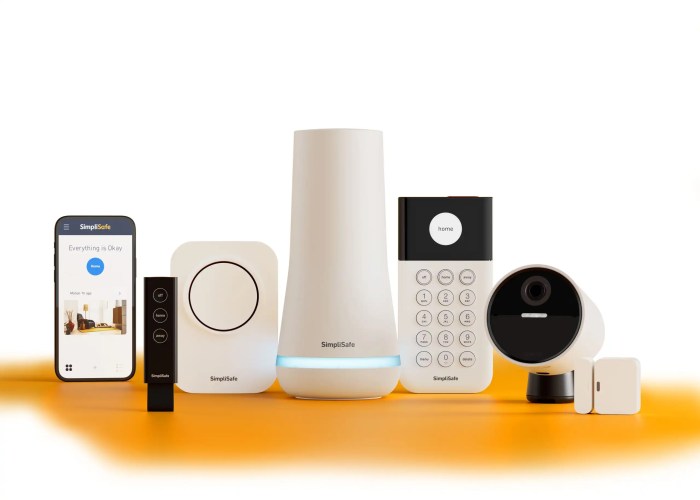
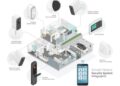
Smart home security systems refer to a network of interconnected devices and sensors designed to protect homes from intruders and other potential threats. These systems are equipped with advanced technology that allows homeowners to monitor and control their security remotely.Protecting family privacy is paramount when it comes to home security systems.
With the rise of smart devices and the Internet of Things (IoT), there is a growing concern about data privacy and security breaches. It is crucial to choose a security system that prioritizes the protection of personal information to ensure the safety and privacy of your family.The integration of technology in modern security systems has revolutionized the way we protect our homes.
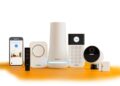
With features like motion sensors, video surveillance, and smart locks, homeowners can now monitor their property in real-time and receive alerts on their smartphones. This level of connectivity and convenience not only enhances security but also provides peace of mind to families, knowing that their loved ones and belongings are safe.
Privacy Features in Smart Home Security Systems
Smart home security systems are equipped with various privacy features to ensure the protection of family privacy in the digital age.
Encrypted Data Transmission
One key privacy feature in smart home security systems is encrypted data transmission. This ensures that any information captured by cameras or sensors is securely transmitted and cannot be easily intercepted by unauthorized parties.
Two-Factor Authentication
Another important privacy feature is two-factor authentication, which adds an extra layer of security to access the system. This helps prevent unauthorized access to the smart home security system and the data it collects.
Privacy Settings and Controls
Many smart home security systems offer privacy settings and controls that allow users to customize their privacy preferences. This includes options to adjust camera settings, choose who can access the system, and control data sharing.
Local Storage Options
Some smart home security systems provide local storage options, allowing users to store data locally rather than in the cloud. This gives users more control over their data and reduces the risk of data breaches.
Data Encryption and Privacy Measures
Data encryption plays a crucial role in protecting family privacy within smart home security systems. By encoding data in a way that only authorized users can access it, encryption ensures that sensitive information remains secure and confidential.Implementing strong privacy measures in smart home security systems is essential to safeguarding personal data from potential threats and unauthorized access.
These measures include encryption, authentication protocols, and secure communication channels to prevent data breaches and protect user privacy.
Encryption Methods in Smart Home Security Systems
- End-to-End Encryption: This method ensures that data is encrypted from the point of origin to the destination, making it unreadable to anyone except the intended recipient.
- Advanced Encryption Standard (AES): AES is a widely used encryption algorithm that provides a high level of security for data transmitted within smart home systems.
- Transport Layer Security (TLS): TLS protocols establish secure connections between devices, ensuring data integrity and privacy during transmission.
- Public Key Infrastructure (PKI): PKI systems use public and private keys to encrypt and decrypt data, enabling secure communication between devices in a smart home network.
Remote Monitoring and Privacy Concerns
Remote monitoring in smart home security systems allows homeowners to keep an eye on their property from anywhere using their smartphones or computers. While this feature provides convenience and peace of mind, it also raises important privacy concerns that need to be addressed.
Privacy Concerns with Remote Monitoring
- Unauthorized Access: Hackers may attempt to gain access to the live feed from security cameras, compromising the privacy of the household.
- Data Breaches: In the event of a data breach, sensitive information captured by the smart home security system could be exposed to malicious third parties.
- Location Tracking: Remote monitoring features may track the location of family members within the house, raising concerns about personal privacy.
Mitigating Privacy Risks
- Secure Networks: Ensure that the smart home security system is connected to a secure network with a strong password to prevent unauthorized access.
- Regular Updates: Keep the system updated with the latest security patches to protect against potential vulnerabilities.
- Privacy Settings: Review and adjust privacy settings within the system to limit access to sensitive data and restrict remote monitoring permissions.
User Control and Privacy Settings
User control and privacy settings play a crucial role in ensuring the security and privacy of smart home systems. By allowing users to customize settings according to their preferences, they can protect their family's privacy effectively. Here are some tips on how users can utilize these features to enhance their security:
Customizing Privacy Settings
- Regularly review and update privacy settings to ensure they align with your family's needs and preferences.
- Enable two-factor authentication for an added layer of security when accessing your smart home system remotely.
- Limit access permissions for devices and users to minimize the risk of unauthorized access to sensitive information.
- Utilize privacy zones to restrict the monitoring range of cameras and sensors to specific areas within your home.
Impact on Security
User-controlled privacy features not only safeguard your family's privacy but also enhance the overall security of your smart home system. By empowering users to manage their privacy settings, they can mitigate potential security risks and protect their personal data effectively.
Third-Party Integration and Privacy Risks
When it comes to smart home security systems, third-party integration plays a significant role in expanding the capabilities and functionalities of these systems. However, integrating third-party devices or services into your smart home security setup can pose potential privacy risks that need to be carefully considered and addressed.
Implications of Third-Party Integration
- Third-party integration allows for seamless connectivity between different devices and services, enhancing the overall functionality of your smart home security system.
- It opens up opportunities for more advanced features and automation, providing users with a more personalized and tailored experience.
Privacy Risks Associated with Third-Party Integration
- Integrating third-party devices or services may result in sharing sensitive data and information with external parties, potentially exposing your privacy to unauthorized access.
- Third-party components may have weaker security measures in place, making them vulnerable to cyber threats and breaches that could compromise your personal data.
- Data collected by third-party devices or services could be used for targeted advertising or other purposes without your consent, raising concerns about data privacy and security.
Strategies to Minimize Privacy Risks
- Before integrating any third-party device or service, thoroughly research the security and privacy policies of the company to ensure they meet industry standards and best practices.
- Regularly update all firmware and software to patch any security vulnerabilities that could be exploited by malicious actors seeking to compromise your privacy.
- Opt for devices and services that offer end-to-end encryption and secure communication protocols to protect your data from interception or unauthorized access.
Concluding Remarks
In conclusion, Smart Home Security Systems That Protect Your Family’s Privacy offer a blend of convenience and security, ensuring a safe haven for your loved ones. By understanding the nuances of privacy features and encryption methods, you can take control of your home's security while preserving your family's privacy.
Stay informed, stay secure.
FAQ Section
How do smart home security systems protect family privacy?
Smart home security systems utilize advanced encryption methods and privacy settings to ensure that sensitive data remains secure and inaccessible to unauthorized users.
What are the common privacy concerns related to remote monitoring?
Privacy concerns with remote monitoring typically revolve around potential breaches of video feeds or data interception. It's important to choose systems with robust security measures in place.
How can users customize privacy settings in smart home security systems?
Users can tailor privacy settings by adjusting camera access, data sharing permissions, and notification preferences to align with their privacy needs and preferences.
What are the risks associated with third-party integration in smart home security systems?
Integrating third-party devices or services may expose vulnerabilities that could compromise the overall security and privacy of the system. Vigilance and thorough vetting are crucial in such scenarios.