

Delving into the realm of protecting intellectual property with business insurance, this introduction sets the stage for an insightful exploration, promising a rich and informative discussion ahead.
Providing a detailed overview of the importance of safeguarding intellectual property in today's business landscape.
Understanding Intellectual Property
Intellectual property refers to creations of the mind, such as inventions, literary and artistic works, designs, symbols, names, and images used in commerce.
Types of Intellectual Property
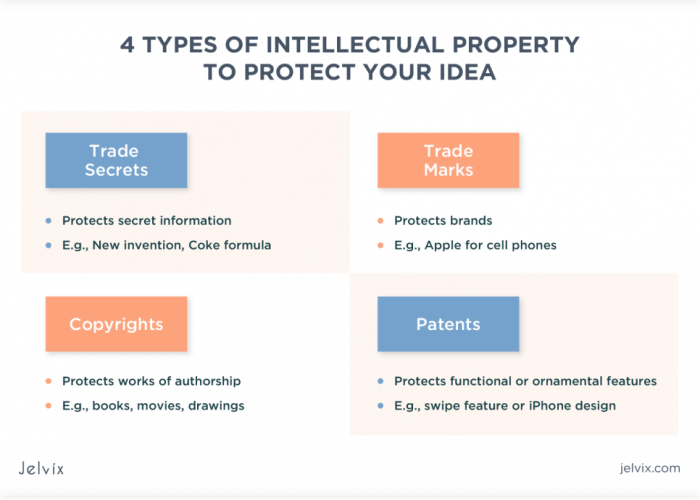
There are several types of intellectual property that businesses can protect:
- Patents:These protect inventions or discoveries, giving the owner the right to exclude others from making, using, or selling the invention for a certain period.
- Trademarks:These are symbols, names, or slogans used to identify and distinguish goods and services in the marketplace.
- Copyrights:These protect original works of authorship, including literary, dramatic, musical, and artistic works.
- Trade Secrets:These are confidential information that provides a competitive advantage, such as formulas, practices, processes, designs, instruments, or compilations of information.
Examples of Intellectual Property in Business
Here are some examples of intellectual property in a business context:
- A software company holding a patent for a groundbreaking algorithm that powers their product.
- A fashion brand trademarking their logo to prevent others from using it on counterfeit products.
- An author copyrighting their latest book to protect it from unauthorized copying or distribution.
- A recipe for a secret sauce used by a popular restaurant as a trade secret to maintain a competitive edge in the market.
Importance of Protecting Intellectual Property
Protecting intellectual property is essential for businesses to safeguard their unique creations, innovations, and ideas from being stolen or copied by competitors. It helps in maintaining a competitive edge in the market and ensuring that the hard work and investment put into developing intellectual property are not wasted.
Risks of Not Protecting Intellectual Property
- Loss of Competitive Advantage: Without proper protection, competitors can easily replicate your products or services, diminishing your competitive advantage in the market.
- Lack of Revenue: Failure to protect intellectual property can result in lost opportunities for licensing, partnerships, or selling the rights to your creations, leading to a loss of potential revenue streams.
- Damage to Reputation: If your intellectual property is infringed upon, it can tarnish your brand's reputation and credibility, causing trust issues among customers and partners.
Real-World Examples
One notable example is the case of Apple vs. Samsung, where Samsung was found guilty of infringing on Apple's design patents for the iPhone, resulting in a significant legal battle and financial consequences for both companies.
Another example is the pharmaceutical industry, where companies invest heavily in research and development to create new drugs. Without patent protection, these companies would not be able to recoup their investments, leading to a lack of innovation in the industry.
Role of Business Insurance in Protecting Intellectual Property
Business insurance plays a crucial role in safeguarding intellectual property by providing financial protection against potential risks and threats that could compromise valuable intangible assets. In the digital age, where intellectual property theft is increasingly common, having the right insurance coverage can make a significant difference in protecting your ideas, inventions, and creative works.
Types of Insurance Coverage for Intellectual Property Protection
- Intellectual Property Insurance: This type of insurance specifically covers losses related to intellectual property infringement, such as copyright, trademark, or patent violations.
- Errors and Omissions Insurance: This coverage protects against claims of negligence or failure to perform professional duties, which could result in intellectual property disputes.
- Cyber Liability Insurance: In cases where intellectual property is stolen or compromised through cyberattacks or data breaches, cyber liability insurance can help cover the costs of recovery and damages.
Examples of Scenarios where Insurance Coverage Protected Intellectual Property
- Company A's patented technology was infringed upon by a competitor, leading to a legal battle. Thanks to their intellectual property insurance, Company A was able to cover the legal expenses and damages awarded in the lawsuit.
- Artist B's original artwork was stolen from their online portfolio due to a cyber breach. With cyber liability insurance, Artist B received compensation for the loss and was able to recover their stolen work.
Choosing the Right Insurance Coverage
When it comes to protecting intellectual property, choosing the right insurance coverage is crucial for businesses. It is essential to consider various factors to ensure that the coverage meets the specific needs of the business and provides adequate protection.
Factors to Consider when Selecting Insurance for Intellectual Property Protection
- Value of Intellectual Property: Determine the value of your intellectual property to assess the level of coverage needed.
- Type of Intellectual Property: Consider the type of intellectual property you have, whether it's patents, trademarks, copyrights, or trade secrets, as different insurance policies may cater to specific types.
- Risks and Threats: Evaluate the potential risks and threats to your intellectual property to choose coverage that addresses those specific concerns.
- Cost of Insurance: Compare premiums and coverage options to find a policy that offers the best value for your investment.
Comparison of Different Types of Insurance Policies Available for Intellectual Property Protection
| Insurance Policy | Coverage |
|---|---|
| Intellectual Property Insurance | Provides coverage for legal expenses, damages, and lost profits due to infringement or theft of intellectual property. |
| Cyber Insurance | Offers protection against cyber threats that could compromise intellectual property through data breaches or hacking. |
| Business Interruption Insurance | Covers financial losses resulting from the inability to use intellectual property due to covered perils. |
Tips on How to Determine the Appropriate Coverage Based on Business Needs
- Consult with an Insurance Professional: Seek advice from insurance experts who specialize in intellectual property protection to understand your options.
- Assess Risk Tolerance: Evaluate your risk tolerance level to determine the extent of coverage required to mitigate potential losses.
- Review Policy Terms Carefully: Thoroughly review the terms and conditions of insurance policies to ensure they align with your business's intellectual property protection needs.
- Regularly Update Coverage: Stay informed about changes in your intellectual property portfolio and update your insurance coverage accordingly to maintain adequate protection.
Steps to Ensure Comprehensive Protection
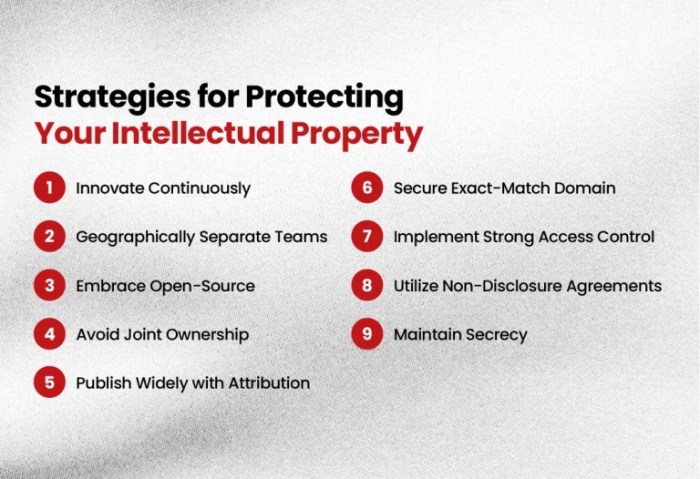
Protecting intellectual property is essential for the long-term success of a business. Here are some steps to ensure comprehensive protection:
Regular Reviews and Updates
- Regularly review your intellectual property assets to ensure they are adequately protected.
- Stay informed about changes in laws and regulations that may affect your IP rights.
- Update your insurance coverage as needed to reflect any changes or additions to your intellectual property portfolio.
Integration with Risk Management Strategies
- Integrate intellectual property protection into your overall risk management strategy to mitigate potential threats.
- Identify and assess risks to your intellectual property and develop proactive measures to address them.
- Collaborate with legal and insurance professionals to create a comprehensive risk management plan that includes intellectual property protection.
Concluding Remarks
Concluding our discussion on protecting intellectual property with business insurance, this final section encapsulates the key points covered, leaving readers with a lasting impression of the significance of this practice.
Clarifying Questions
How can business insurance protect my intellectual property?
Business insurance can provide coverage for legal expenses in case of IP infringement lawsuits, helping to safeguard your creations and ideas.
What factors should I consider when choosing insurance for intellectual property protection?
Consider the value of your intellectual property, the industry you operate in, and the level of risk you face to determine the right coverage.
Why is regular review of insurance coverage important for intellectual property protection?
Regular reviews ensure that your coverage aligns with any changes in your business or the industry, keeping your intellectual property safeguarded.