
With AI property management leading the way, this paragraph sets the stage for a fascinating journey into the realm of innovative technologies reshaping the real estate landscape.
Detailing the pivotal role AI plays in streamlining processes and driving cost-effective solutions, this overview delves into the transformative power of artificial intelligence in property management.
Overview of AI in Property Management
Artificial Intelligence (AI) plays a significant role in revolutionizing the property management industry. By leveraging advanced technologies, AI enhances efficiency and streamlines various processes within property management, leading to improved operational performance and tenant satisfaction. Let's explore how AI is transforming the property management landscape.
Enhanced Efficiency through AI
AI algorithms can analyze vast amounts of data quickly and accurately, enabling property managers to make informed decisions promptly. By automating routine tasks such as rent collection, maintenance scheduling, and tenant communication, AI reduces manual workload and human errors, allowing property managers to focus on more strategic activities.
- AI-powered chatbots can engage with tenants 24/7, addressing their queries, scheduling maintenance requests, and providing essential information, enhancing customer service and tenant satisfaction.
- Predictive maintenance using AI algorithms can anticipate potential issues in a property, enabling proactive maintenance and minimizing downtime, ultimately reducing costs and enhancing property value.
- AI-driven analytics tools can analyze market trends, rental rates, and tenant preferences, empowering property managers to optimize rental strategies, attract quality tenants, and maximize revenue.
Examples of AI Applications in Property Management
AI is being utilized in various aspects of property management to streamline operations and improve overall efficiency. Some notable examples include:
- Smart home technology integrated with AI can automate temperature control, lighting, and security systems, enhancing energy efficiency and improving tenant comfort.
- AI-powered vacancy prediction models can forecast future vacancies based on historical data, enabling property managers to proactively market and fill vacant units, reducing revenue loss.
- Virtual property tours powered by AI and virtual reality technology can offer prospective tenants immersive experiences, enabling them to explore properties remotely and make informed rental decisions.
Benefits of Implementing AI in Property Management
AI technology offers numerous advantages when implemented in property management tasks. From streamlining operations to enhancing decision-making processes, AI can revolutionize the way property managers handle various responsibilities.
Improved Decision-Making Processes
Utilizing AI in property management allows for faster and more informed decision-making. By analyzing vast amounts of data in real-time, AI systems can provide valuable insights into market trends, tenant preferences, and property performance. This enables property managers to make data-driven decisions that are more accurate and effective.
Cost Savings
One of the significant benefits of implementing AI in property management is the potential for cost savings. AI-powered systems can optimize energy usage, predict maintenance needs, and automate routine tasks, leading to reduced operational costs. For example, predictive maintenance enabled by AI can help property managers address maintenance issues before they escalate, ultimately saving money on costly repairs.
AI Technologies Used in Property Management
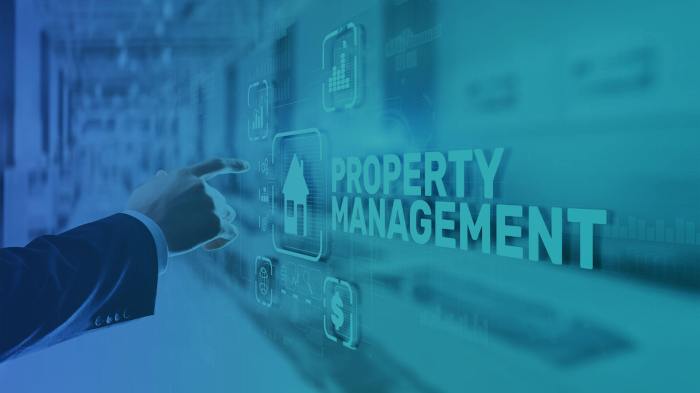
AI technologies have revolutionized the property management industry, offering innovative solutions to streamline operations and improve tenant satisfaction. Let's explore some of the key AI technologies commonly used in property management:
Predictive Maintenance
Predictive maintenance is a powerful AI-driven technology that uses data analytics to predict when equipment or systems are likely to fail. By analyzing historical data and patterns, property managers can proactively address maintenance issues before they escalate, reducing downtime and saving costs.
Smart Building Automation
AI-powered smart building automation systems help property managers monitor and control various building functions, such as HVAC, lighting, and security. These systems optimize energy efficiency, improve occupant comfort, and enhance overall building performance.
Virtual Assistants and Chatbots
Virtual assistants and chatbots powered by AI technology are increasingly being used in property management to enhance tenant communication and satisfaction. These chatbots can provide instant responses to tenant queries, schedule maintenance requests, and offer personalized assistance, leading to improved tenant experiences.
Risk Management and Fraud Detection
AI technologies are also utilized for risk management and fraud detection in property management. Using machine learning algorithms, these tools can analyze large volumes of data to identify potential risks, such as payment fraud or lease violations, and help property managers take proactive measures to mitigate these risks.
Data Analytics and Insights
AI-driven data analytics tools provide property managers with valuable insights into their operations, tenant preferences, and market trends. By leveraging data analytics, property managers can make informed decisions, optimize rental pricing, and improve overall property performance.Overall, AI technologies play a crucial role in modern property management by automating tasks, optimizing operations, and enhancing tenant experiences.
By embracing these innovative technologies, property managers can stay ahead of the curve and deliver exceptional services to their tenants
Challenges and Limitations of AI in Property Management
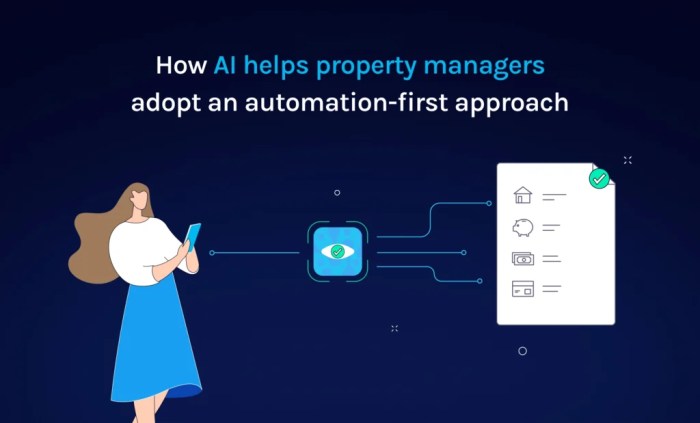
Implementing AI in property management comes with its own set of challenges and limitations that need to be addressed for successful integration.
Potential Challenges Faced in Implementing AI
- Initial Investment: Implementing AI technology requires a significant initial investment in terms of software, hardware, and training.
- Data Quality and Integration: Ensuring the accuracy and integration of data from various sources can be a challenge, affecting the effectiveness of AI algorithms.
- Privacy and Security Concerns: Handling sensitive property data raises privacy and security concerns, requiring robust measures to safeguard information.
- Resistance to Change: Property managers and staff may resist the adoption of AI technology due to fear of job displacement or unfamiliarity with new systems.
Limitations of AI Technology in Property Management
- Complex Decision-Making: AI may struggle with complex decision-making processes that require human intuition and judgment, leading to potential errors.
- Lack of Personalization: AI algorithms may struggle to provide personalized experiences for tenants or property owners, impacting customer satisfaction.
- Inability to Handle Unforeseen Situations: AI systems may not be equipped to handle unforeseen events or unique property management challenges that require human intervention.
Strategies to Overcome Obstacles in Integrating AI Solutions
- Invest in Training and Education: Provide comprehensive training programs to familiarize property managers and staff with AI technology and its benefits.
- Focus on Data Quality: Implement robust data quality control measures to ensure accurate and reliable data inputs for AI algorithms.
- Enhance Privacy and Security Measures: Prioritize data security and privacy by implementing encryption, access controls, and regular security audits.
- Encourage Collaboration: Foster a culture of collaboration between AI systems and human experts to leverage the strengths of both for effective property management.
Future Trends of AI in Property Management
AI advancements are poised to revolutionize the landscape of property management in the near future. As technology continues to evolve, the integration of AI is expected to bring about significant changes in how properties are managed, leading to increased efficiency, cost savings, and improved tenant experiences.
Emerging AI Technologies in Property Management
- Robotic Process Automation (RPA): RPA tools are becoming increasingly popular in property management for automating repetitive tasks such as invoice processing, lease management, and maintenance requests.
- Virtual Assistants: AI-powered virtual assistants are being used to streamline communication with tenants, provide instant responses to queries, and schedule property viewings.
- Predictive Analytics: Property managers are utilizing predictive analytics to forecast maintenance needs, optimize rental pricing, and identify potential risks before they escalate.
Impact of AI on the Real Estate Industry
- Enhanced Decision-Making: AI algorithms can analyze vast amounts of data to help property managers make informed decisions regarding property acquisitions, leasing strategies, and portfolio management.
- Improved Tenant Satisfaction: By leveraging AI technologies, property managers can offer personalized services, predictive maintenance, and 24/7 support, ultimately leading to higher tenant satisfaction rates.
- Market Insights: AI tools can provide real-time market insights, helping property managers stay ahead of trends, identify investment opportunities, and adapt their strategies accordingly.
Wrap-Up
In conclusion, AI property management emerges as a game-changer in the industry, promising enhanced efficiency, informed decision-making, and a glimpse into the future of real estate operations.
FAQ Summary
What are some common AI technologies used in property management?
Some common AI technologies used in property management include predictive analytics, machine learning algorithms, and AI-powered chatbots.
How can AI enhance tenant communication and satisfaction?
AI-powered chatbots can provide instant responses to tenant queries, streamline communication processes, and offer personalized assistance, ultimately enhancing tenant satisfaction.
What challenges are faced when implementing AI in property management?
Challenges include initial setup costs, data security concerns, resistance to change from traditional methods, and the need for specialized training to utilize AI tools effectively.