
Property management for homeowners associations sets the stage for this informative guide, offering readers a detailed insight into the world of managing HOAs. From defining key concepts to exploring financial management and community engagement, this topic delves into the core aspects of ensuring a well-run homeowners association.
As we dive deeper into the various services, financial responsibilities, maintenance tasks, and communication strategies involved, readers will gain a thorough understanding of the essential elements that contribute to the successful management of homeowners associations.
Understanding Property Management for Homeowners Associations
Property management for homeowners associations involves the management and maintenance of common areas, facilities, and assets within a residential community. This includes enforcing rules and regulations, collecting dues, handling maintenance issues, and overall ensuring the smooth operation of the community.
Role of Property Management Companies
Property management companies play a crucial role in managing homeowners associations by providing professional services to oversee day-to-day operations. They act as intermediaries between the HOA board and homeowners, ensuring that rules are followed, finances are managed efficiently, and maintenance is carried out effectively.
- Coordinate maintenance and repairs
- Enforce community rules and regulations
- Collect homeowner dues and manage finances
- Handle communication between the board and homeowners
Importance of Effective Property Management
Effective property management is essential for the success and well-being of homeowners associations. It helps maintain property values, fosters a sense of community, and ensures that residents can enjoy a high quality of life in a well-maintained environment.
Proper management can help prevent conflicts, maintain property values, and create a positive living experience for residents.
Services Offered by Property Management Companies
Property management companies offer a range of services to homeowners associations to help maintain and enhance the value of their properties while ensuring smooth operations. These services can vary depending on the company, but some common ones include:
Financial Management
- Collecting HOA dues and assessments
- Creating and managing budgets
- Handling financial reports and statements
Maintenance and Repairs
- Regular property inspections
- Coordination of repairs and maintenance tasks
- Emergency response services
Administrative Support
- Organizing board meetings and keeping records
- Enforcing HOA rules and regulations
- Managing communication with homeowners
Vendor Management
- Hiring and overseeing contractors
- Negotiating service contracts
- Ensuring quality of work and cost-effectiveness
Outsourcing property management services for HOAs can offer several benefits, including access to professional expertise, time savings for board members, improved property maintenance, and enhanced financial management. By comparing and contrasting the services offered by different property management companies, HOAs can find the right fit for their specific needs and budget.
Financial Management for Homeowners Associations
Property managers play a crucial role in managing the finances of homeowners associations (HOAs). They are responsible for overseeing the financial operations of the HOA, ensuring that all financial transactions are properly recorded and managed.
Financial Responsibilities of Property Managers
Property managers have several financial responsibilities when it comes to managing HOA finances. These include:
- Collecting HOA dues and fees from homeowners
- Creating and managing the HOA budget
- Ensuring that all financial records are accurate and up-to-date
- Paying bills and invoices on behalf of the HOA
- Preparing financial reports for the HOA board
It is essential for property managers to have strong financial acumen and attention to detail to effectively manage HOA finances.
Budgeting Process for an HOA
The budgeting process for an HOA typically involves the following steps:
- Assessing the financial needs of the HOA, including expenses for maintenance, repairs, and amenities
- Estimating the revenue from HOA dues and other sources
- Creating a budget that aligns expenses with revenue
- Presenting the budget to the HOA board for approval
- Monitoring actual expenses against the budget throughout the year
Strategies for Financial Transparency and Accountability
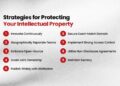
To ensure financial transparency and accountability in HOAs, property managers can implement the following strategies:
- Regularly report financial updates to the HOA board and homeowners
- Provide access to financial records and reports upon request
- Implement financial controls to prevent fraud and mismanagement
- Work with an independent auditor to review the HOA's financial statements
- Encourage homeowner involvement in the budgeting process
Maintenance and Repairs in Homeowners Associations
In homeowners associations, maintenance and repairs play a crucial role in ensuring the upkeep and value of the properties
Some examples of preventative measures that can be implemented include regular inspections of common areas, servicing HVAC systems, cleaning gutters, and maintaining landscaping. By staying proactive, property managers can help prevent major issues from arising.
Maintenance Coordination by Property Managers
Property managers play a vital role in coordinating repairs and maintenance tasks in a timely manner. They act as a liaison between homeowners, vendors, and contractors to ensure that any necessary repairs are addressed promptly. Property managers also schedule regular maintenance tasks and inspections to keep the community in optimal condition.
- Property managers schedule routine maintenance tasks such as HVAC servicing, landscaping, and pool maintenance to prevent breakdowns and ensure the longevity of equipment.
- They coordinate repairs for common areas such as roofing, plumbing, and electrical systems to address any issues that may arise.
- Property managers work with trusted vendors and contractors to ensure quality workmanship and timely completion of repairs.
Communication and Community Engagement

Effective communication and community engagement are crucial aspects of property management for homeowners associations. Property managers utilize various communication channels to engage with homeowners, foster a sense of community, resolve conflicts, and promote harmony among residents.
Communication Channels
Property managers typically use a combination of communication channels to engage with homeowners in an association. These channels may include:
- Regular newsletters or emails to update homeowners on important information, events, and community news.
- Community meetings or town halls to provide a platform for homeowners to express their concerns, ask questions, and engage with the property management team.
- Online portals or mobile apps for easy access to important documents, announcements, maintenance requests, and community forums.
- Social media platforms to share updates, promote community events, and facilitate discussions among residents.
Best Practices for Community Engagement
Fostering a sense of community within a homeowners association is essential for creating a harmonious living environment. Some best practices for community engagement include:
- Organizing social events such as block parties, holiday gatherings, or community service projects to bring residents together.
- Creating committees or volunteer groups to involve homeowners in decision-making processes and community initiatives.
- Implementing a clear communication strategy to ensure that all residents are informed and involved in community matters.
- Encouraging open dialogue and collaboration among homeowners to build relationships and strengthen the sense of community.
Conflict Resolution and Harmony Promotion
Property management plays a vital role in resolving conflicts and promoting harmony among residents within a homeowners association. Property managers can:
- Mediate disputes between homeowners to find amicable solutions and maintain positive relationships within the community.
- Establish clear guidelines and policies for resolving conflicts and addressing behavioral issues to ensure a peaceful living environment.
- Encourage open communication and active listening to understand the concerns and perspectives of all residents involved in a conflict.
- Organize conflict resolution workshops or training sessions to educate homeowners on effective communication and conflict management strategies.
Closing Summary
In conclusion, property management for homeowners associations plays a crucial role in maintaining the harmony and functionality of HOAs. By outsourcing services, implementing preventive maintenance measures, and fostering strong community engagement, property managers can effectively navigate the complexities of managing homeowners associations with transparency and accountability.
Detailed FAQs
What are the common services provided by property management companies to homeowners associations?
Common services include financial management, maintenance coordination, communication with residents, and ensuring compliance with HOA rules and regulations.
How do property managers ensure financial transparency and accountability in HOAs?
Property managers achieve financial transparency through detailed reporting, budget reviews, and adherence to financial best practices. Accountability is maintained through audits and regular financial updates to HOA boards.
What role does property management play in resolving conflicts among residents in homeowners associations?
Property management mediates conflicts by facilitating open communication, enforcing community rules fairly, and providing a neutral ground for conflict resolution discussions among residents.